


Craps looks loud from the back of the room, but the real pace is set by a handful of repeated phrases and printed markers on the felt. This craps table terms guide breaks down the labels you will actually hear and see, so you can follow the action without leaning on a neighbour for every roll. We keep the focus on how those table terms connect to deposits, withdrawals and cashier flow, because understanding the layout is only useful when your payment path is just as clear. If you are comparing where to play, check the cashier details on any site you consider, including playcroco bonus code options, before you commit your first deposit.
Table Felt and Marked Zones
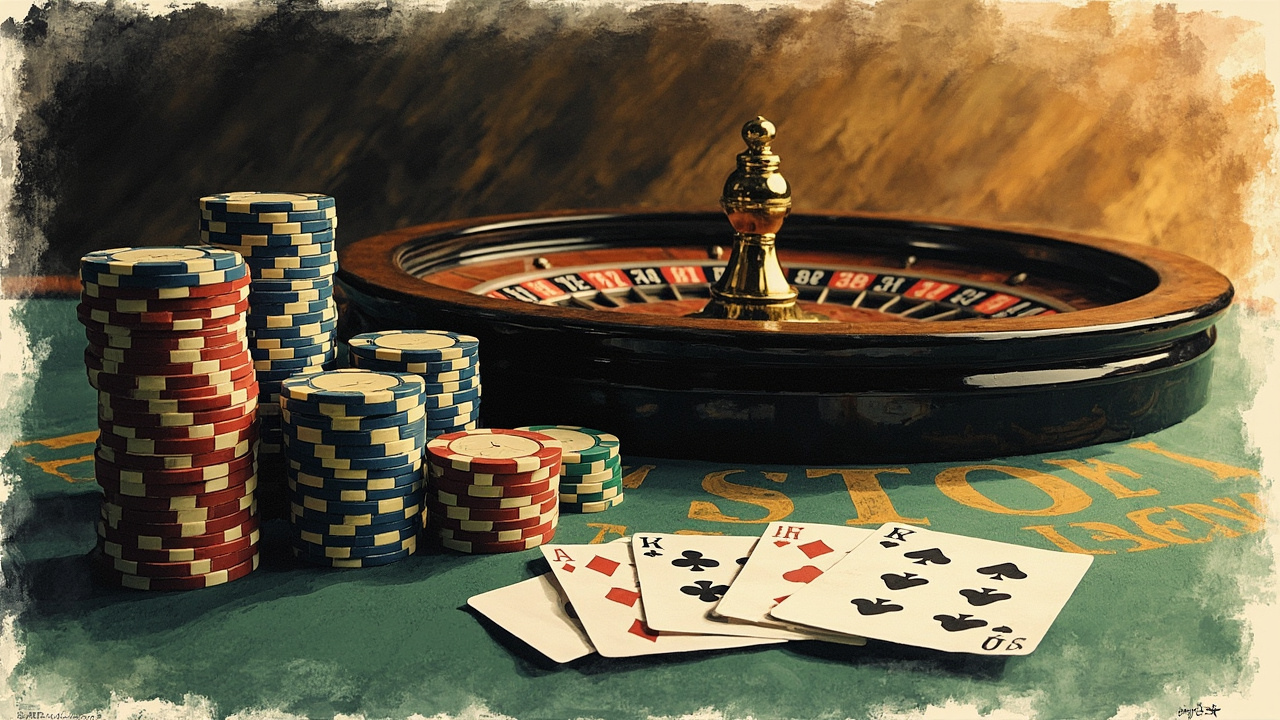
The layout is built around two main betting areas, and the printed terms tell you what the house pays when a specific number hits. Pass and Don’t Pass lines sit at the top of the felt, while Come our site and Don’t Come boxes sit lower down, each with their own odds multiplier printed beside the bar. The proposition squares in the middle carry higher house edges, so a practical craps table terms guide always flags them as side noise rather than the core action. In Wollongong clubs and pub gaming rooms, you will often see the same felt structure on electronic tables, which means the printed terms still govern how the software reads your chip placement. When a roll lands on a number, the dealer pays according to the printed odds on that square, not according to whatever you assumed the payout should be. That is why reading the felt matters more than memorising a dozen fancy bets you will rarely use. If you want a quick reference while you learn, keep a small card nearby and cross-check each term against the printed odds before you push chips forward.
Odds, Place and Proposition Language
Most of the table talk is really about three bet families, and the terms change depending on whether the puck is off or on. Pass line bets establish the point, then you can take odds behind your line bet once the puck is turned up, which is the only wager in the game with no built-in house edge on the odds portion. Place bets let you back a specific number for a fixed payout, and the dealer will call out the term for that number as the dice move around the table. Proposition bets sit in the centre and use their own payout table, so the terms for those wagers are tied to the printed odds rather than the point cycle. A useful craps table terms guide keeps the distinction clear, because mixing up a place bet with a proposition bet changes both the payout and the way the dealer tracks your wager. For players who prefer a slower pace, sticking to line bets and modest odds keeps the table language simple and the cashier tracking straightforward. When you are reading terms during a busy arvo session, focus on the puck and the printed odds rather than the chatter around the rail.
Cashier Flow, Currencies and Verification
The table terms only matter if your money moves cleanly, so the cashier setup deserves as much attention as the felt. Australian players usually expect deposits and withdrawals in AUD, with card and trusted wallet options listed in the cashier before you register. A solid craps table terms guide should point out that payment flow, currency display and verification steps are where most delays happen, not at the dice itself. Processing times vary by method, and limits are set per transaction and per day, so the printed limits in the cashier are the real constraint on how often you can move funds. Verification usually asks for standard identity details before a first withdrawal, and the flow is easier when you complete it early rather than waiting until the cashier asks for it mid-session. If you are comparing operators, look for clear currency settings and a cashier that shows processing windows instead of vague promises. You can also check the bonus mechanics on any site you consider, including playcroco bonus code terms, so you know how a deposit matches the table limits you actually plan to use.playcroco bonus code
Player-Fit Scenarios and Support
Different players use the same table terms in different ways, and the right fit depends on how you want your money and your pace to work. A casual player who wants a short session will usually stick to pass line and modest odds, then head to the cashier before the table noise gets distracting. A more regular player who tracks results over a week will care more about withdrawal timing, currency display and whether support can answer a verification query without a long back-and-forth. Callum Ryan, Head of Public Relations, Tasman Gaming Partners, notes that table terms are easy to learn, but the real friction shows up when a player’s payment path is slower than the pace of the game. Olivia Brown, Customer Experience Lead, Flinders Interactive Group, adds that clear cashier wording and consistent AUD display reduce most support tickets, because players stop guessing when their funds are moving. Matilda Fisher, Senior Market Analyst, Daintree Digital Ventures, points out that players who treat the cashier as part of the game plan tend to have a smoother session than those who only think about the felt. If you are weighing where to play, a straightforward cashier and responsive support matter just as much as the table layout, and a site with a clear playcroco bonus code page is worth a closer look when you are comparing payment terms.
Quick Glossary of Table Terms Used Here
- Pass line: the main bet that wins on a 7 or 11 on the come-out roll and loses on 2, 3 or 12.
- Don’t Pass: the opposing line bet that wins on 2 or 3 and loses on 7 or 11 on the come-out roll.
- Come bet: a wager placed after the point is set, working like a pass line bet on the next roll.
- Odds: the extra wager behind a line bet, paid at true odds once a point is established.
- Place bet: a bet on a specific number that pays a fixed rate when that number hits before a 7.
- Proposition bet: a centre-table wager with its own payout table and a higher house edge.
- Puck: the marker showing whether the round is in the come-out phase or locked on a point.
The best way to use a craps table terms guide is to treat it as a cashier companion, not a separate lesson. Learn the line bets, read the printed odds, and make sure your deposit and withdrawal path is clear before you push chips onto the felt. When the table terms and the payment flow line up, the session is easier to manage and the results are easier to track.